









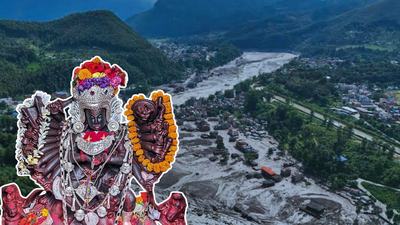
An unusual incident at a temple in Nepal has caught attention after devotees claimed that the idol of Goddess Bhagwati began “sweating” (was reportedly seen with moisture) days before devastating flash floods hit the country. The idol is at the Palanchok Bhagawati Temple in Kavrepalanchok district. A local belief among devotees says that when the idol begins to “sweat”, it can be a warning that something serious is about to happen from a natural disaster to a major crisis.According to a report by Nepal-based news agency Rastriya Samachar Samiti (RSS), devotees noticed what they described as sweat on the idol during evening prayers on August 22. A Kshama Puja, a ritual seeking forgiveness, was subsequently performed at the temple.The timing has become the focus of attention because the devastating flash floods struck Nepal on August 26, just four days later.
What happened at Palanchok Bhagwati Temple ?
Palanchok Bhagawati Temple is located in Panchkhal in Nepal’s Kavrepalanchok district. The shrine is dedicated to Goddess Bhagwati and is an important religious site in the region. According to the Nepal-based report, devotees noticed what they described as sweat on the idol during Saturday evening prayers. The unusual sight prompted a religious response, with a Kshama Puja performed at the temple.
An old belief linked to disasters
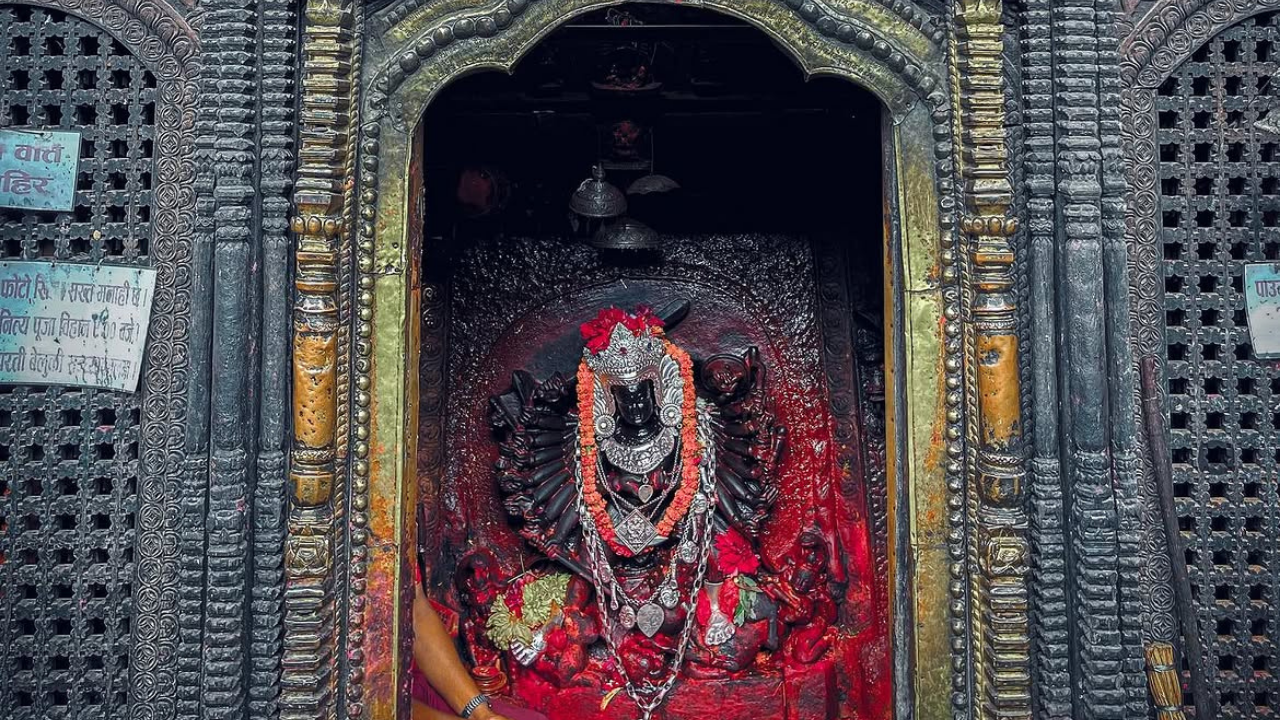
When the idol is believed to sweat, devotees may interpret it as an indication that something serious is about to happen. (Photo credit: Raj Shrestha)
The latest incident is not the first time devotees have connected the Palanchok Bhagawati idol with major events. Accounts surrounding the temple have for years carried stories of the idol reportedly sweating before major incidents in Nepal. Some local claims connect the phenomenon with earthquakes and other significant events.When the idol is believed to sweat, devotees may interpret it as an indication that something serious is about to happen. That belief has been passed down through local religious traditions and stories associated with the shrine.Social media posts circulating after the latest flood have also revived claims that the idol had reportedly shown similar signs before earthquakes in 1974 and 1987. Other versions of the story connect the phenomenon with the 2001 royal palace massacre.These accounts, however, are part of local religious belief and folklore. They should not be treated as independently established historical or scientific evidence.
Nepal was hit by a devastating flash flood
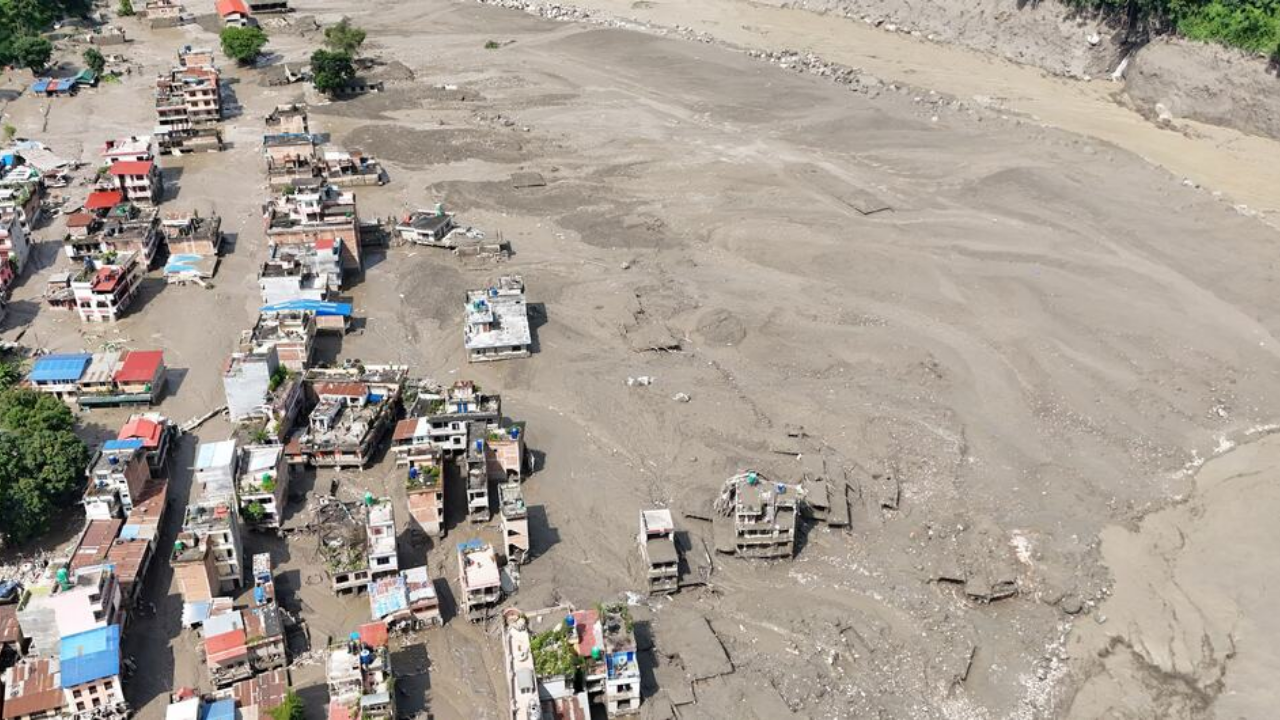
The flooding caused extensive destruction to homes, roads, bridges and other infrastructure.
What is not in dispute is the scale of the disaster that followed. On August 26, a massive flash flood struck the Bhote Koshi River region in northern Nepal, particularly affecting Rasuwa district near the Nepal-China border.The flooding caused extensive destruction to homes, roads, bridges and other infrastructure. Hundreds of people were initially reported dead or missing, with the numbers continuing to change as rescue teams reached affected areas.
What caused the Nepal floods?
Scientists and authorities have pointed towards a geological event in the high Himalayas. The flooding was triggered by the collapse of a glacier and a massive release of water, ice, rock and debris into the river system. Reuters reported that the resulting torrents created further risks downstream and complicated rescue operations.Other scientific reporting has described the event as involving a combination of glacial collapse, landslide and debris flow, which sent an enormous volume of material into the Bhote Koshi system.
So why does the belief continue?
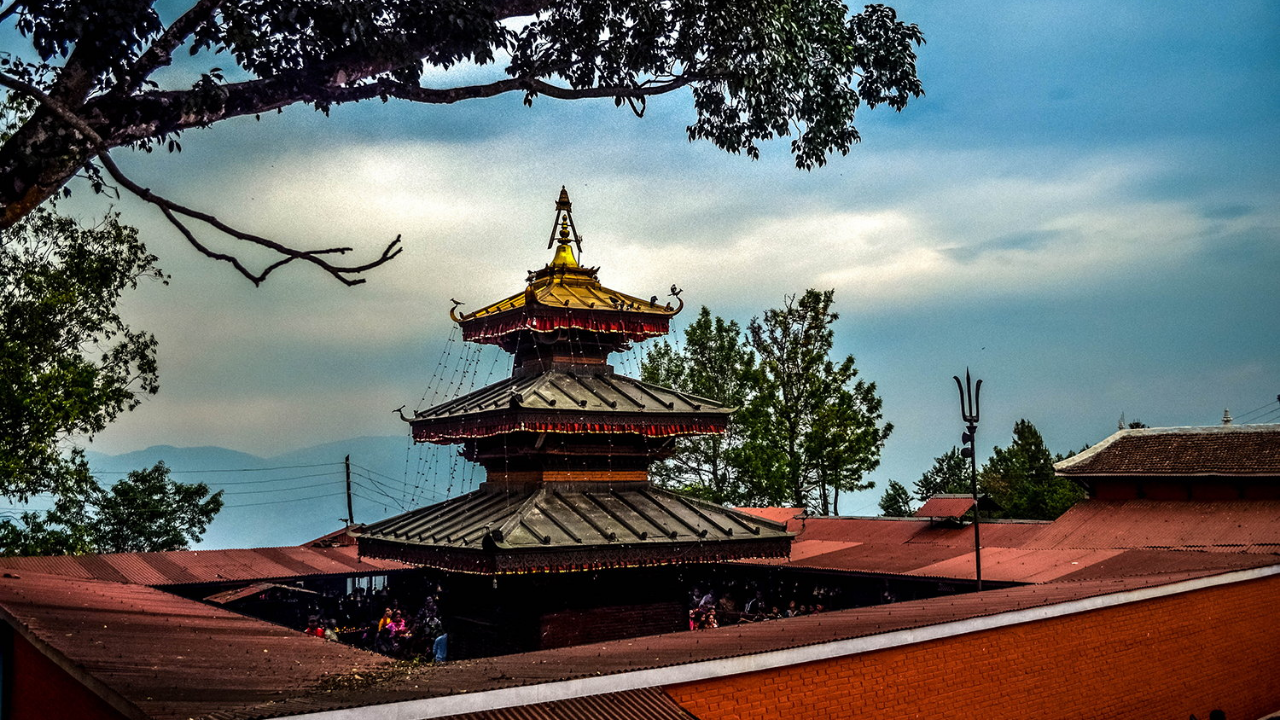
Palanchok Bhagawati Temple in Nepal.
For devotees, the significance of the story is not necessarily about proving a scientific prediction. It is about a religious tradition that has been passed down over generations. Palanchok Bhagawati is a prominent shrine in Nepal, and stories surrounding the goddess form part of the temple’s religious identity. When an unusual event is followed by a major disaster, believers naturally connect the two.The same pattern has appeared in the stories associated with the temple over the years: an unusual occurrence is remembered, a major event follows, and the two become linked in popular memory. That does not establish a cause-and-effect relationship. But it explains why the reported incident from August 22 has attracted so much attention after the August 26 floods.