








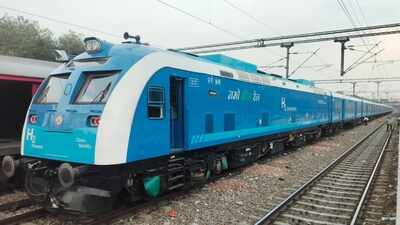
India’s first hydrogen-powered train, flagged off last month by Prime Minister Narendra Modi, is achieving new milestones every day. According to the latest information from Indian Railways, the hydrogen train, which is also the world’s most powerful, has clocked around 6,000 kilometers of journey already.India’s first hydrogen train consists of 10 coaches and can accommodate 2,600 passengers. It operates between Jind and Sonipat in Haryana with a maximum operating speed of 75 kmph, although the train has been designed to reach 110 kmph.Hydrogen is being used because it is considered the cleanest fuel available today. Trains powered by hydrogen operate quietly, produce zero emissions and can reduce reliance on diesel.
What makes India’s hydrogen train unique
India has now joined a small number of countries that have developed hydrogen-powered trains.Only a limited number of countries are currently operating or testing hydrogen trains. Germany was the first to introduce hydrogen trains for commercial passenger operations. China has also deployed such trains, while India has now joined this small group of countries operating hydrogen-powered passenger services. France and Italy are in the process of rolling out services, whereas Japan, the US, UK and South Korea remain largely at the pilot or demonstration stage.Most hydrogen trains around the world have two or three passenger coaches. India’s train, by comparison, has 10 coaches, making it the longest hydrogen train currently in operation. It is also among the world’s most powerful hydrogen-powered trainsets, with a 3,200 HP propulsion system.
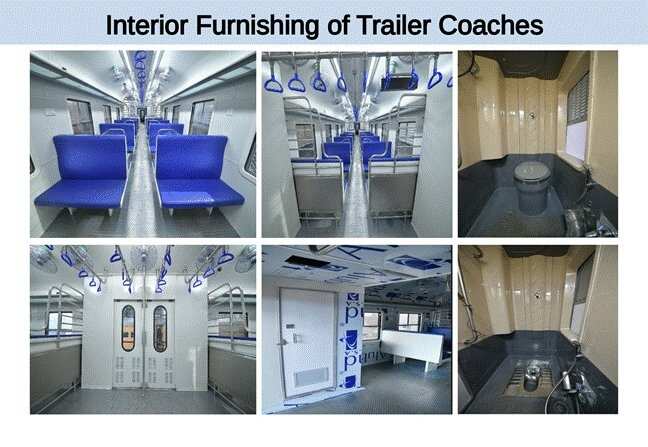
Interior Furnishing of Hydrogen Train
Why India’s hydrogen train project is important
Hydrogen trains are important because despite 99% of the railway network already electrified, these can help provide a greener transport option in remote areas.Such trains are particularly suited to stretches where electrification is difficult. This could make hydrogen-powered trains an option for remote and heritage routes such as Kalka-Shimla, where they could serve as a green mobility alternative.The project stands out for several reasons in addition to being India’s first hydrogen-powered train. Its design, engineering and integration have all been carried out in India, reflecting the country’s railway engineering capabilities. RDSO, ICF and Medha collaborated in the train’s manufacturing and extensive testing.
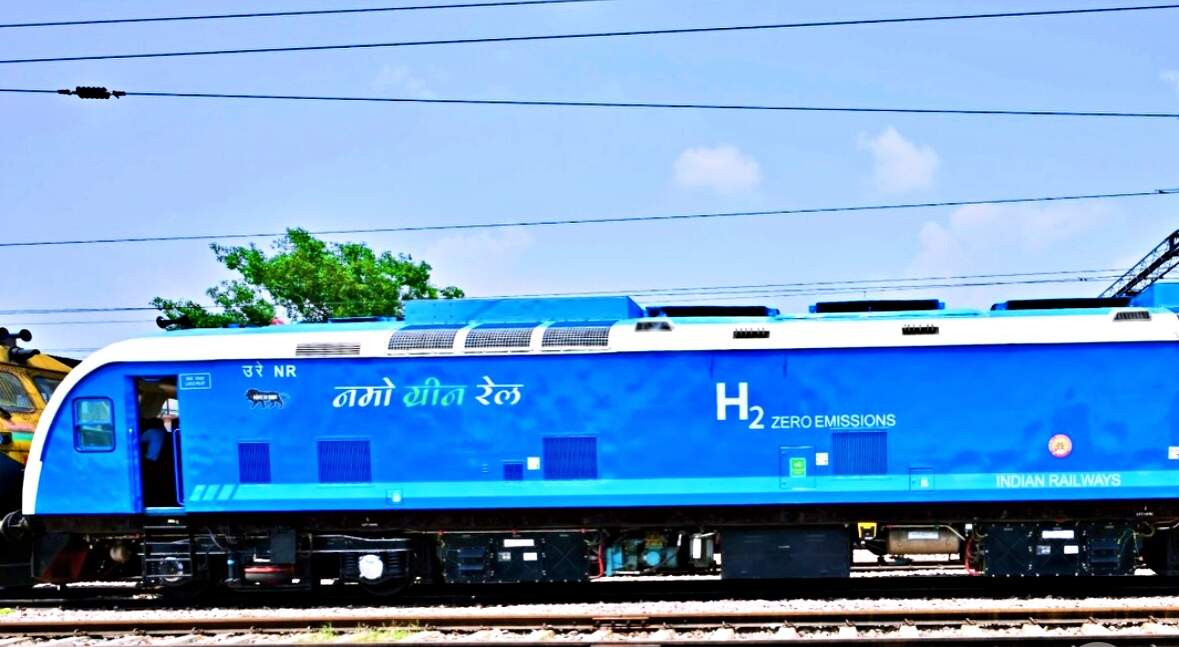
Hydrogen Trains Zero Emissions
Hydrogen trains are part of India’s project to achieve net-zero emissions by 2030, although their initial contribution is expected to remain limited.The new train emits only water vapour as a byproduct, making it the cleanest fuel tech train. The reduction in emissions is already significant. A conventional DEMU produces about 6.074 kg of CO2 equivalent emissions for every kilometre travelled.According to Indian Railways, the hydrogen-powered train had led to an estimated reduction of around 36,444 kg, or nearly 36 tonnes, of CO2 equivalent emissions.Hydrogen train’s onboard fuel cells generate electricity for traction. This is done by combining hydrogen with oxygen, with water vapour and heat produced as by-products. With this the train reduces its reliance on conventional fuels and provides a cleaner and more sustainable option for rail travel.
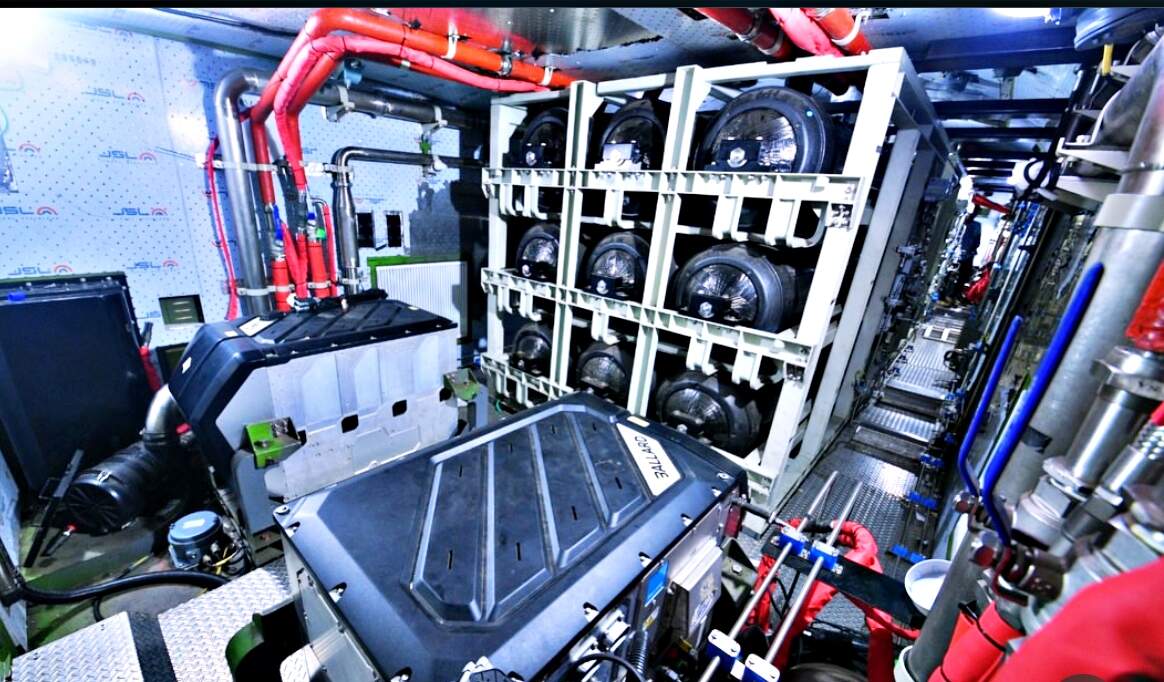
Hydrogen Train Fuel Tech view
Not only that, the new train technology has been introduced without hiking fares for passengers. The tickets are priced at the same levels as ordinary DEMU services, ranging from Rs 10 to Rs 25.
Do you believe hydrogen-powered trains will significantly reduce emissions in India?
3k+ users shared opinion today
5k+ users already voted today
3k+ users shared opinion today
The train’s hydrogen fuel cell operations are supported by an indigenously developed hydrogen storage and refuelling facility at Jind.The successful running of the Jind-Sonipat hydrogen train represents a step towards cleaner and greener rail infrastructure in India. It also demonstrates the potential for hydrogen technology to play a role in the country’s future sustainable rail mobility.