








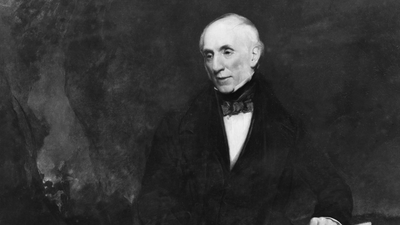
William Wordsworth was an English Romantic poet and the forerunner of modern poetry with a deep love for nature, childhood, and ordinary human experience. He served as Britain’s Poet Laureate from 1843 until his death and is best known for works like “I wandered lonely as a cloud” and “Daffodils’Wordsworth famously spoke about loss or the fading of that bright, magical way we once saw the world, yet he refuses to end in despair. Instead, he points us toward a quiet, steady strength that grows from what remains after the glow has dimmed.He does not advise denying the pain but facing change with courage and finding new sources of meaning when the old ones no longer shine as they used to or no longer exist.
Quote of the day
What though the radiance that was once so bright, be now forever taken from my sight. Though nothing can bring back the hour of splendor in the grass, of glory in the flower; We will grieve not, rather find strength in what remains behind.”
William Wordsworth
What does the quote mean?
The lines come from William Wordsworth’s “Ode: Intimations of Immortality from Recollections of Early Childhood”. In this poem, he reflects on how the bright, colourful, and almost divine brightness of childhood perception fades as we grow older, yet he insists that this loss does not have to end in hopelessness.Wordsworth is acknowledging a universal experience that the world once felt more radiant, more alive, more full of wonder. In childhood, ordinary things such as grass, flowers, and light seemed to glow with a special significance.As we age, that intensity often fades. Responsibilities, disappointments, and the routine of daily life can make the world feel flatter. Wordsworth does not deny the loss. He says clearly: nothing can bring back that exact hour of “splendor in the grass, of glory in the flower.”But then comes the turning point, when he says “We will grieve not, rather find / Strength in what remains behind.” He is not asking us to pretend we feel nothing.He is inviting us to move beyond pure mourning into a deeper kind of strength, one that comes from memory, empathy, shared suffering, and a more thoughtful, “philosophic” mind.
How are his ideas relevant today?
In our novel lives, it is easy to feel that once our “best years” are gone, nothing meaningful remains. Wordsworth challenges this. He says the later years bring their own depth, because as we grow, we inculcate the emotions of empathy, insight, and a steadier kind of joy.Similarly, endings in relationships, careers, health, or faith remind us that we do not have to choose between grief and total despair. We can acknowledge what is gone while still depending on what we have.