







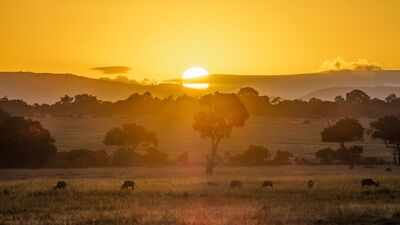
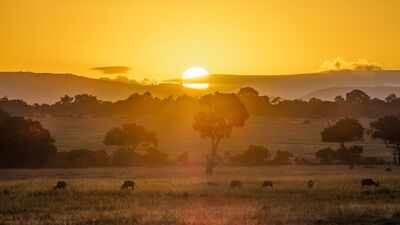
The Masai Mara is one of Africa’s most famous wildlife destinations, known for its vast grasslands, dramatic landscapes and extraordinary variety of animals. While the annual Great Migration of wildebeest and zebra remains one of the world’s greatest natural spectacles, the reserve offers remarkable wildlife encounters throughout the year. From powerful lions and elusive leopards to elephants, giraffes, cheetahs, hippos and Nile crocodiles, Masai Mara wildlife reflects the incredible diversity of Kenya’s safari landscape. Spread across open plains, riverbanks, woodlands and wetlands, these animals have adapted to different habitats across the ecosystem. Here are 10 wild animals to spot on a Masai Mara safari and where you are most likely to find them.
10 wild animals to spot on a Masai Mara safari
Lion
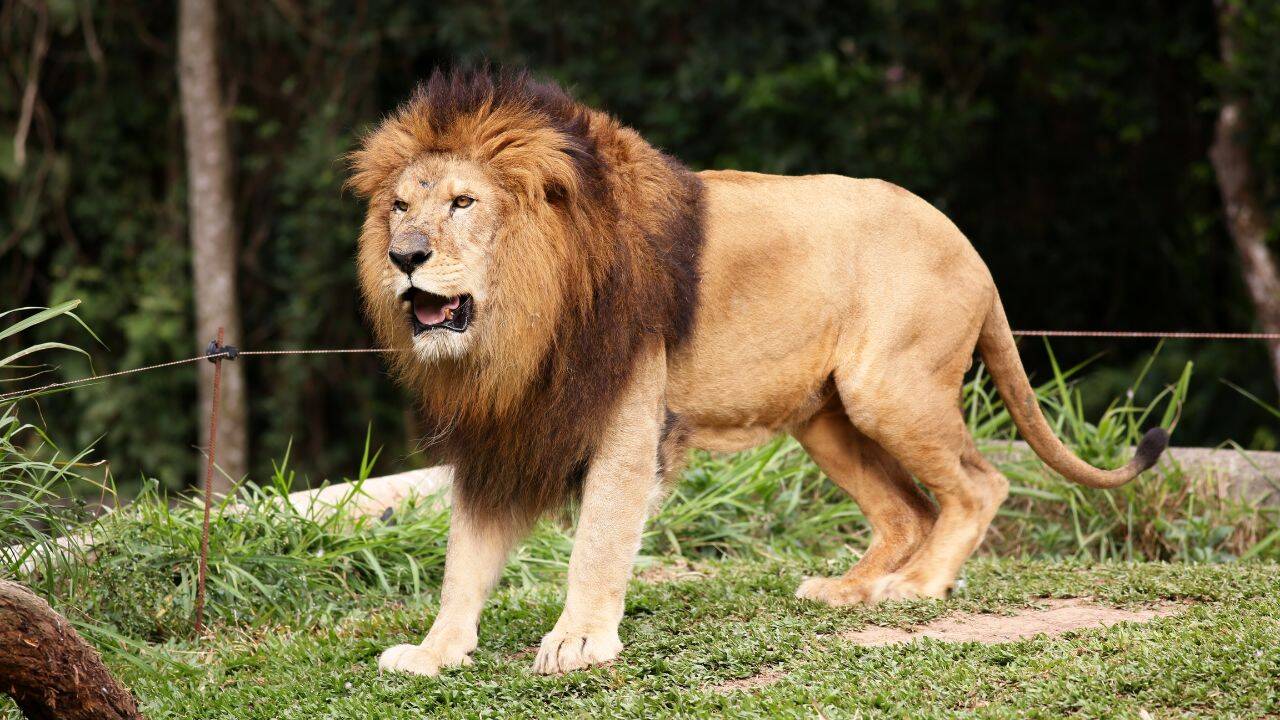
Few animals are as closely associated with the Masai Mara as the African lion. The reserve supports one of East Africa’s healthiest lion populations, and safari vehicles often encounter prides resting beneath acacia trees or stretched across open grass after an overnight hunt.Lions are highly social, living in family groups where related females raise cubs together while a small coalition of males defends the territory. Unlike many large cats, the females carry out most of the hunting. Their preferred prey includes wildebeest, zebra and buffalo, although they will readily adapt to whatever is available. Between hunts they spend long periods sleeping, sometimes for close to twenty hours a day, conserving energy for short bursts of intense activity.
African elephant
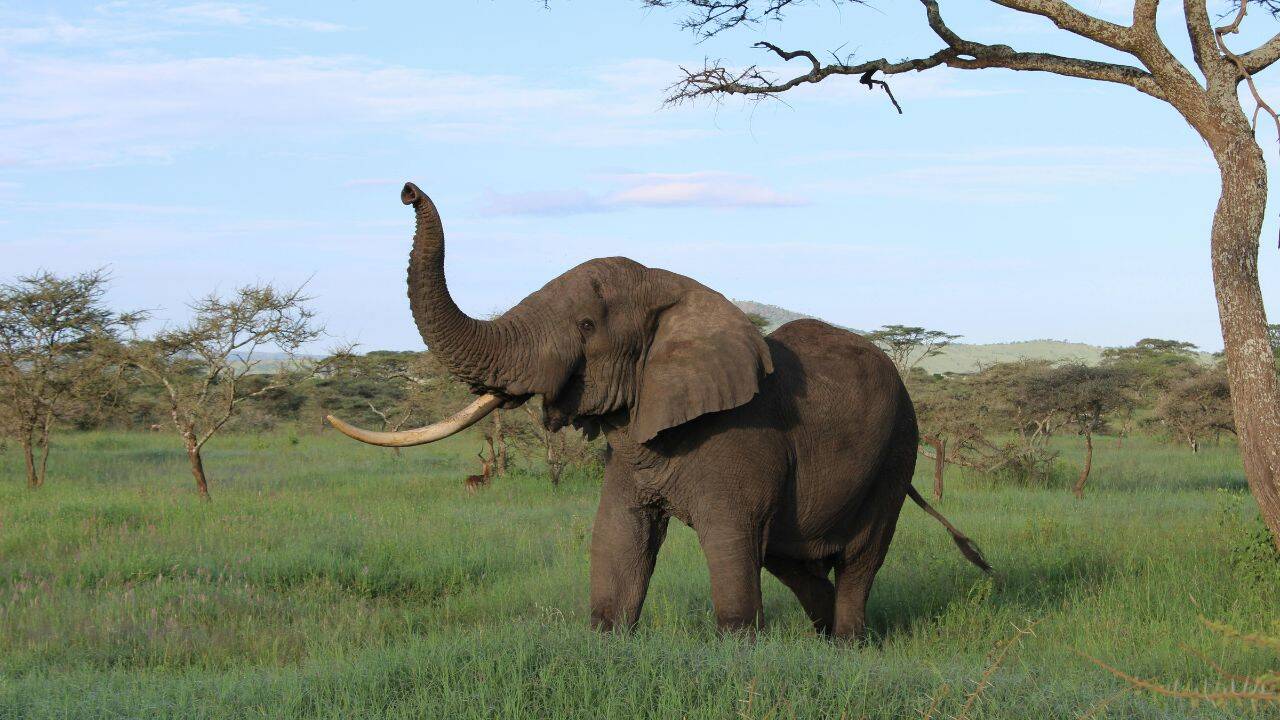
Elephants are among the easiest members of the Big Five to spot in the Mara. Family herds travel steadily through woodland, marshes and river valleys, rarely remaining in one place for very long as they search for fresh vegetation.Watching elephants for a while reveals how organised their family life is. A mature female leads the herd, drawing on years of experience to guide younger animals towards water and feeding areas. Calves rarely stray far from their mothers, while older siblings and aunts help keep them protected. Adult bulls generally lead quieter lives on their own or in small bachelor groups until the breeding season. An elephant’s size often dominates attention, but their behaviour is just as impressive. They communicate using deep sounds that travel over long distances and can even detect vibrations passing through the ground.
Leopard
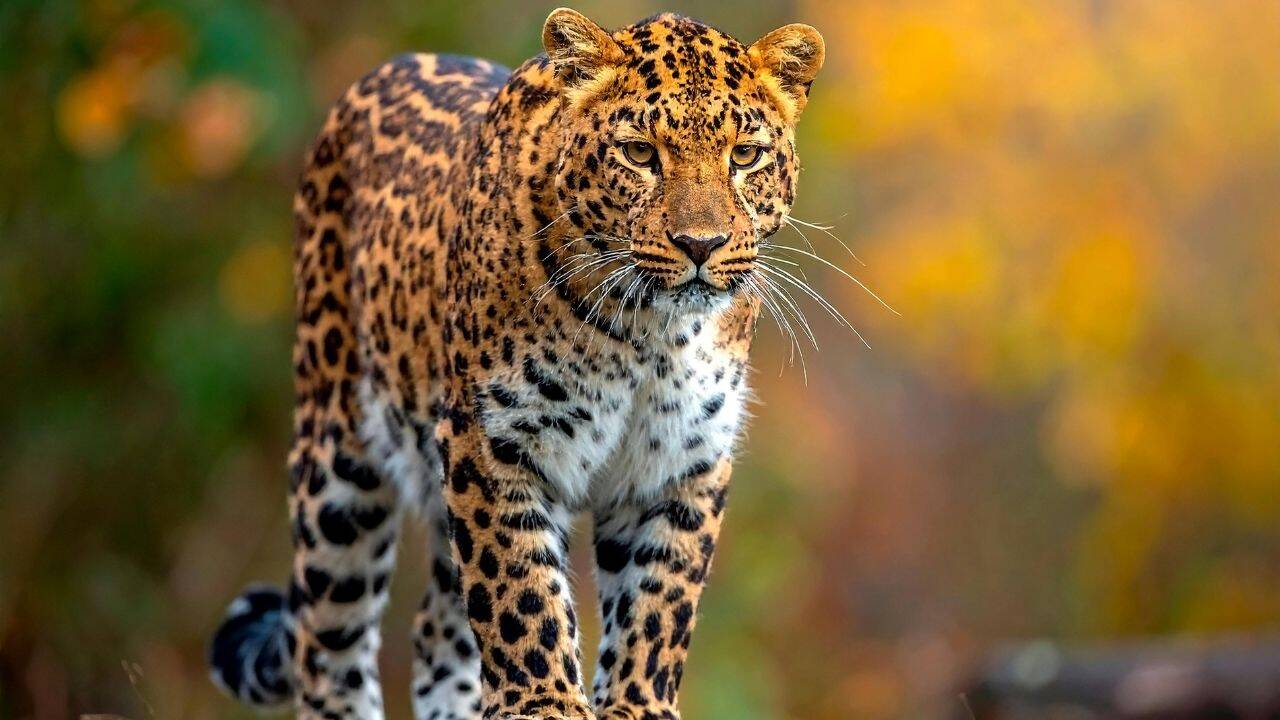
Leopards are far less predictable than lions. They occupy much of the reserve but are experts at avoiding attention, spending daylight hours hidden in thick vegetation or resting high in the branches of large trees.They hunt alone, relying on patience rather than speed. Once prey comes within range, a leopard launches a sudden ambush before dragging its catch into a tree whenever possible. This keeps the meal away from lions, hyenas and other scavengers that would happily steal it. Sightings often come unexpectedly. A tail hanging from a branch or movement among leaves may be the only clue that one is nearby.
Cape buffalo
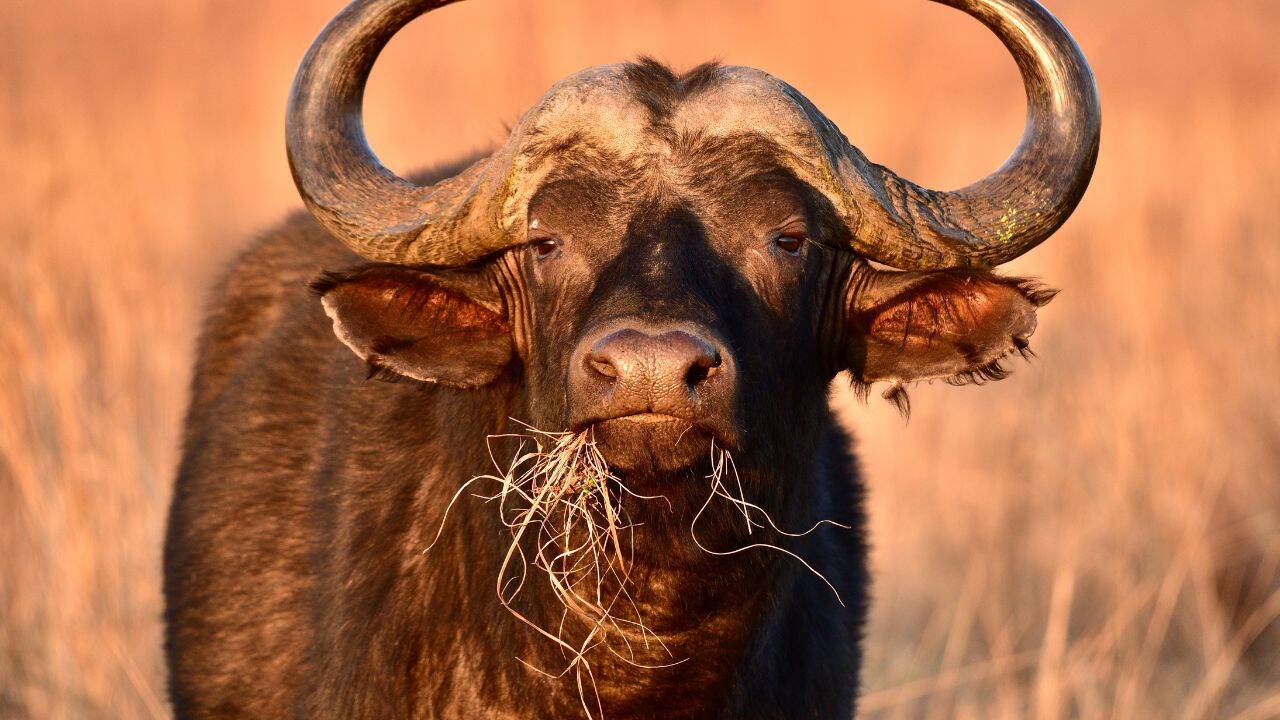
Buffalo are found throughout the reserve and usually in large numbers. Herds may contain dozens or even hundreds of animals moving slowly across the plains while grazing almost continuously.Although they appear calm, buffalo are powerful and highly defensive. Adults form a protective wall around calves whenever danger approaches, making them difficult targets even for lions. Solitary bulls, particularly older males separated from the herd, have a reputation for being unpredictable and deserve a wide berth.
Black rhino
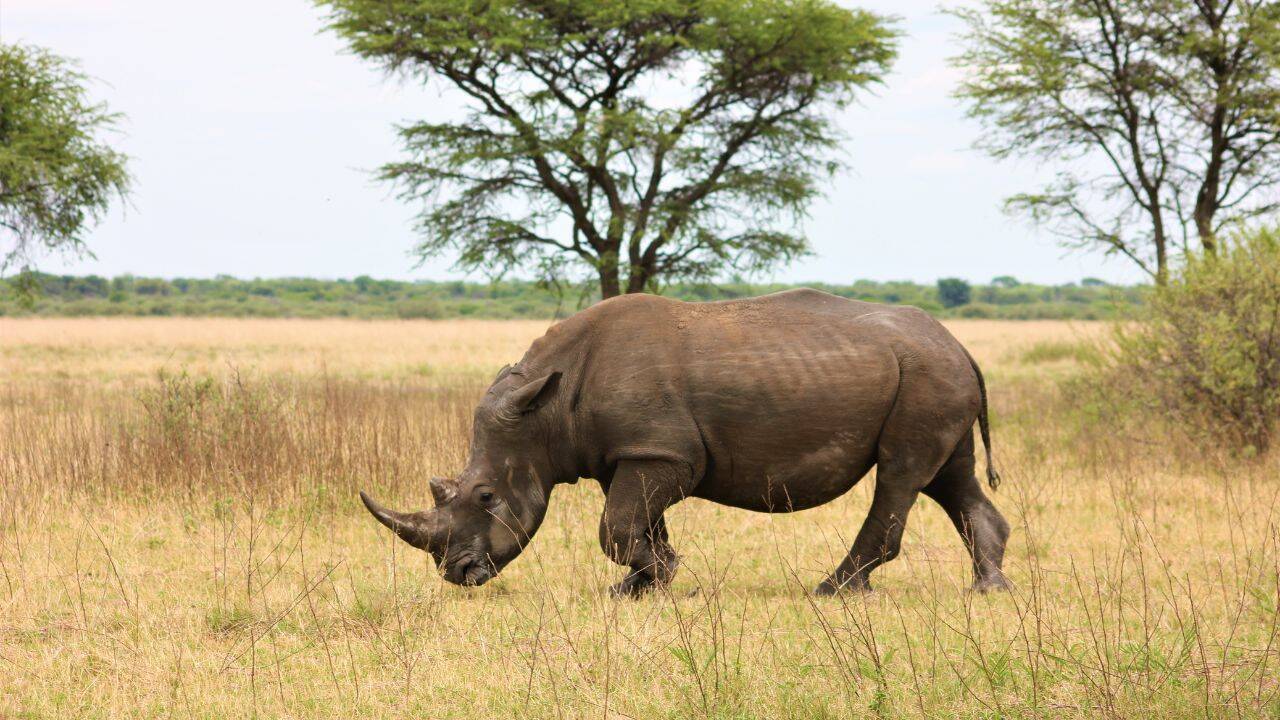
Rhinos remain the hardest members of the Big Five to find in the Masai Mara. Small numbers of black rhinos survive in protected areas of the reserve, particularly around the Mara Triangle, though many visitors complete their safari without seeing one.Black rhinos browse on shrubs rather than feeding on grass. They usually live alone and rely more on hearing and smell than eyesight, which is surprisingly poor. Their cautious nature and preference for thicker vegetation explain why sightings remain uncommon despite careful conservation efforts.
Zebra
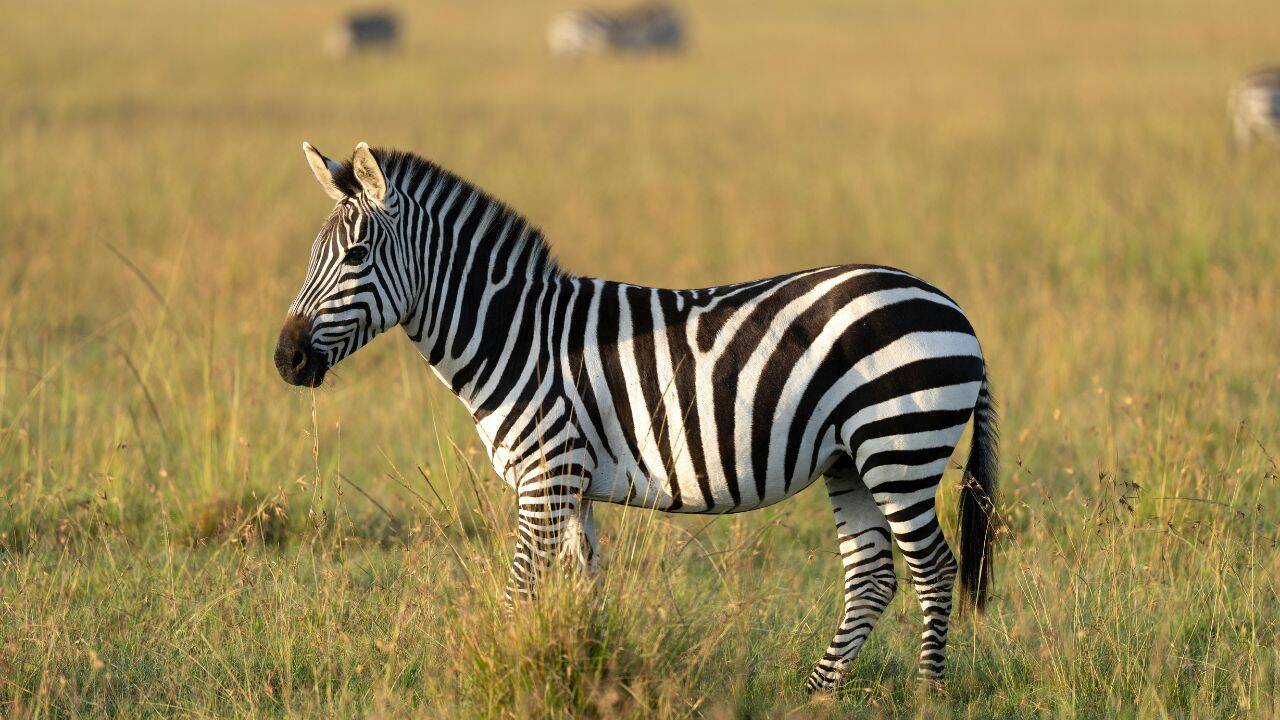
Zebras are a constant presence across the Mara. Their bold stripes stand out against the grasslands, whether they are grazing quietly or moving in loose groups alongside wildebeest.Their relationship with wildebeest benefits both species. Zebras crop taller grasses first, allowing wildebeest to feed on the fresher shoots left behind. Together they create some of the largest mixed herds anywhere in Africa, especially during migration season.
Masai giraffe
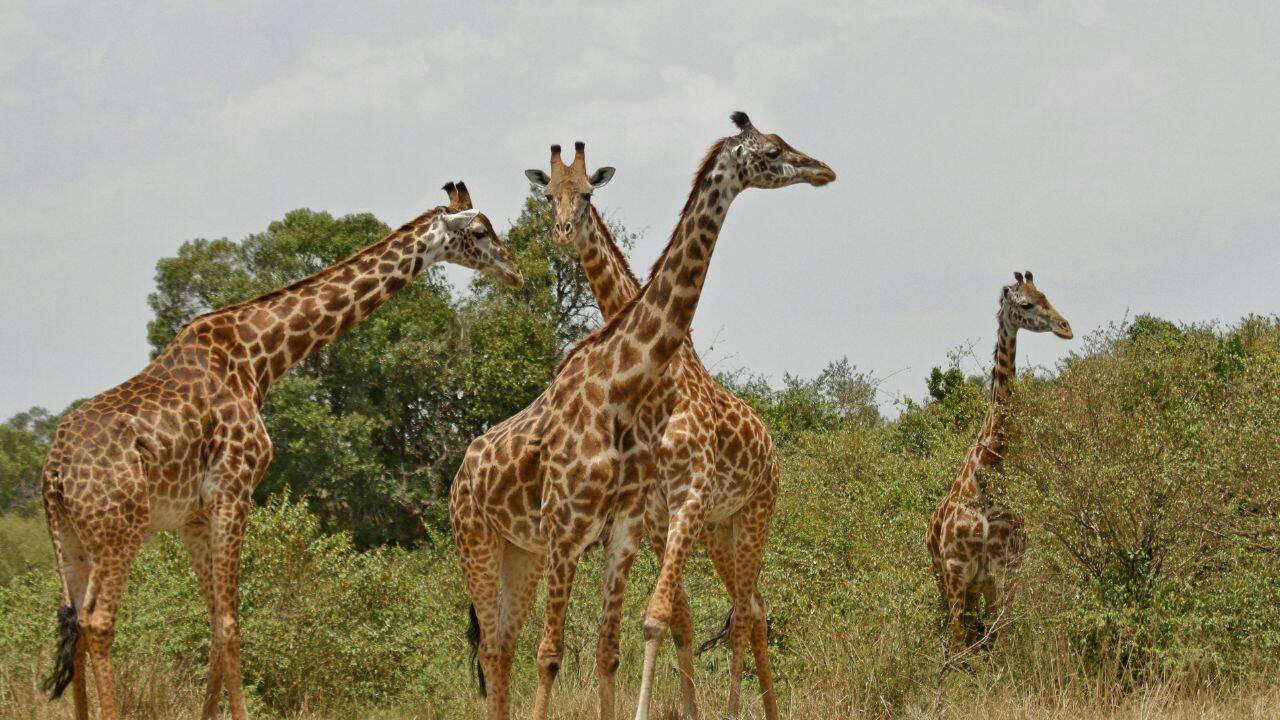
The Masai giraffe is the tallest animal in the reserve and one of its most elegant. Unlike grazers, giraffes browse leaves from thorny acacia trees, allowing them to use parts of the landscape that many other herbivores ignore.Their slow, deliberate movements can appear effortless despite their height. Adult males sometimes engage in contests known as necking, swinging their long necks against rivals to establish dominance. Calves remain vulnerable to predators during their first months, making attentive mothers an essential part of their survival.
Cheetah
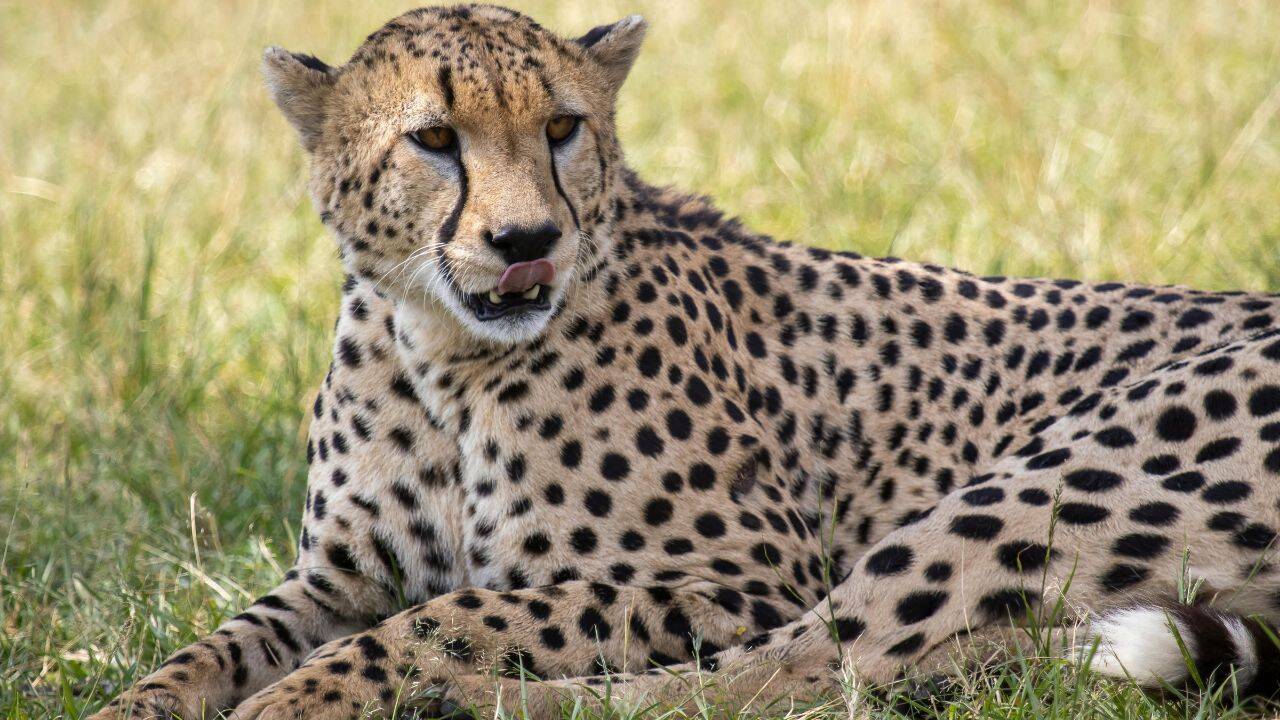
Open country suits the cheetah perfectly. Unlike leopards, which depend on cover, cheetahs prefer broad grasslands where they can spot prey from a distance before relying on explosive acceleration during a chase. They frequently use termite mounds and gentle rises as observation points. From there they scan for gazelles or young antelope before deciding whether a hunt is worth the effort.
Hippopotamus
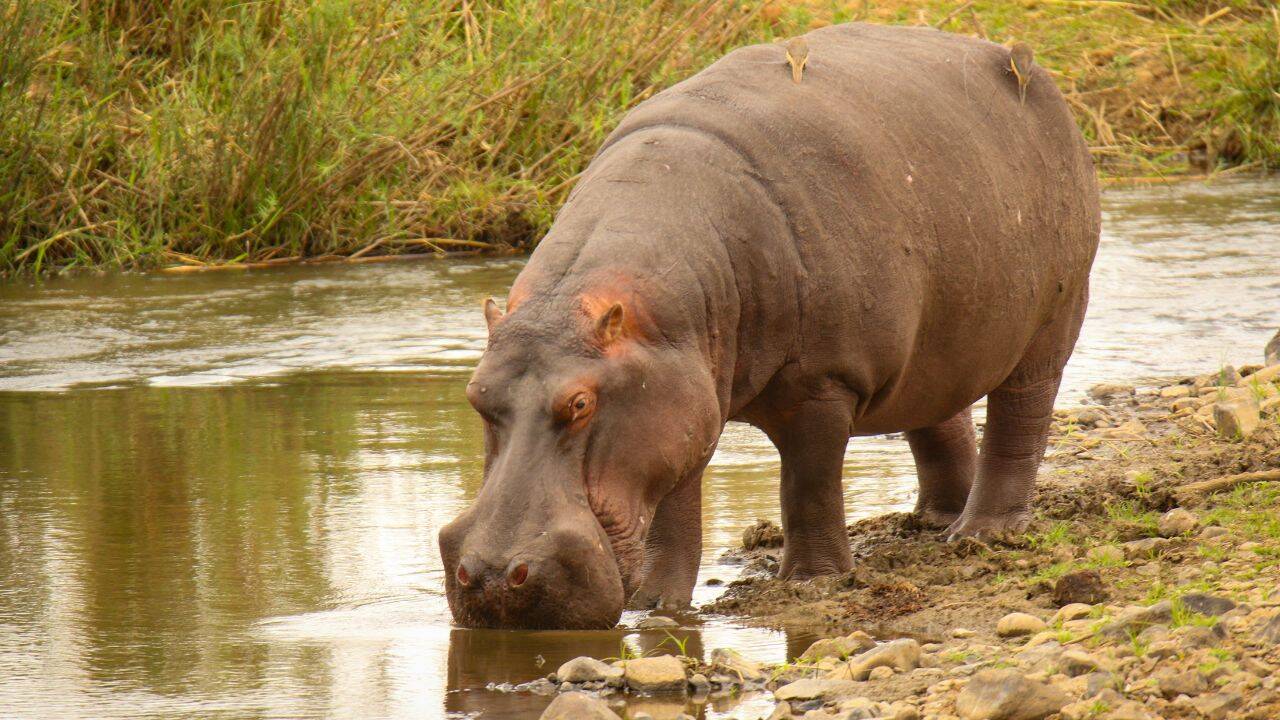
Hippos spend much of the day resting in rivers and pools, emerging after sunset to graze on nearby grasslands. Their quiet appearance hides an animal that is remarkably territorial in water. Groups gather in deeper stretches of the Mara River, where dominant males defend their section of the river against rivals. Loud grunts and splashing frequently signal these disputes.
Nile crocodile
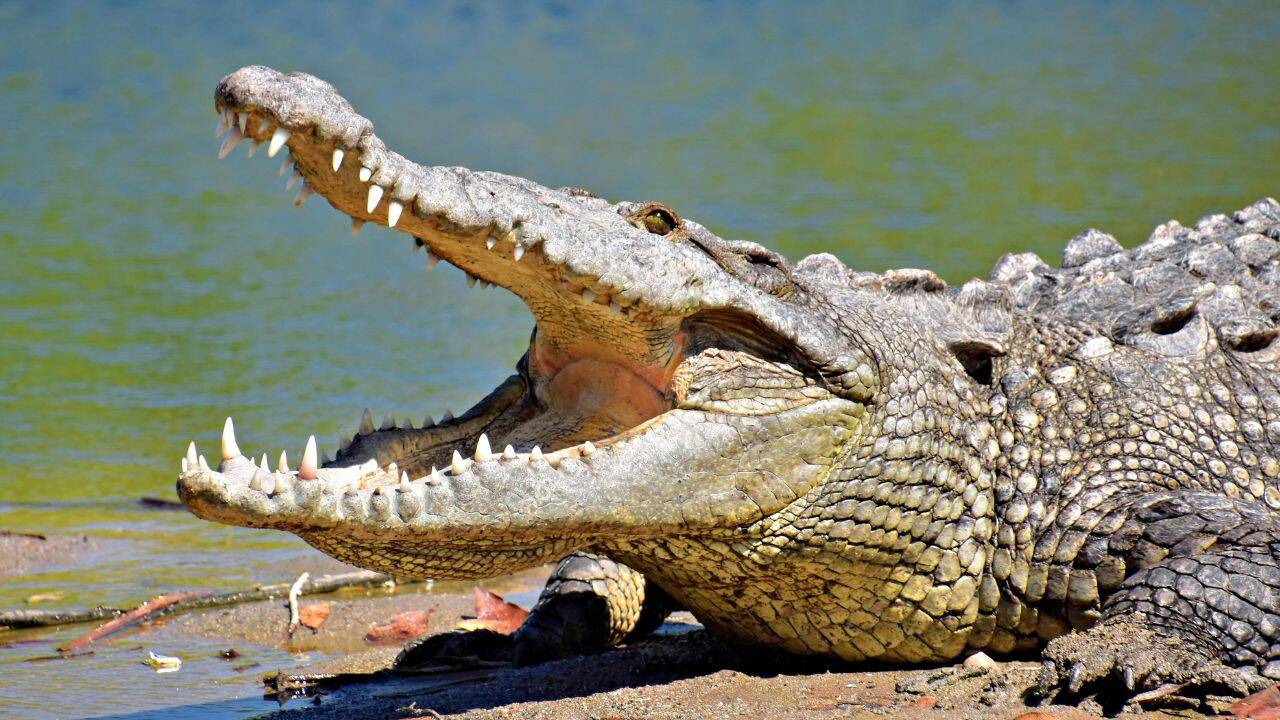
The Mara River also supports large Nile crocodiles, some of which have occupied the same stretches of water for decades. They are most famous for waiting near migration crossing points, where exhausted wildebeest occasionally become vulnerable. Even outside migration season, crocodiles remain patient hunters, lying almost motionless at the water’s edge before striking with surprising speed.
Birdlife in Masai Mara
Large mammals attract much of the attention, yet the Masai Mara is equally rewarding for birdwatchers. More than 500 bird species have been recorded across the ecosystem, from colourful rollers and bee-eaters to secretary birds, hornbills and kingfishers.Birds of prey are especially well represented. Eagles, vultures and falcons circle above the plains throughout the year, while migratory species from Europe arrive between November and April, bringing even greater variety to an already impressive bird population.
Where to find wildlife in the Masai Mara
Wildlife is spread across the Masai Mara, but different species tend to favour particular habitats. The reserve’s vast open plains are the best place to see large grazing animals such as wildebeest, zebra and buffalo, along with predators including lions, cheetahs and spotted hyenas that follow these herds. During the Great Migration, these grasslands become especially busy as millions of animals move through the ecosystem.The Mara River and its surrounding riverbanks are home to hippopotamuses and Nile crocodiles throughout the year. Elephants are also regularly seen near the river, particularly during warmer months when they gather to drink, bathe and feed on nearby vegetation. River crossings during the migration often attract predators as well, making these areas some of the reserve’s busiest wildlife hotspots.